

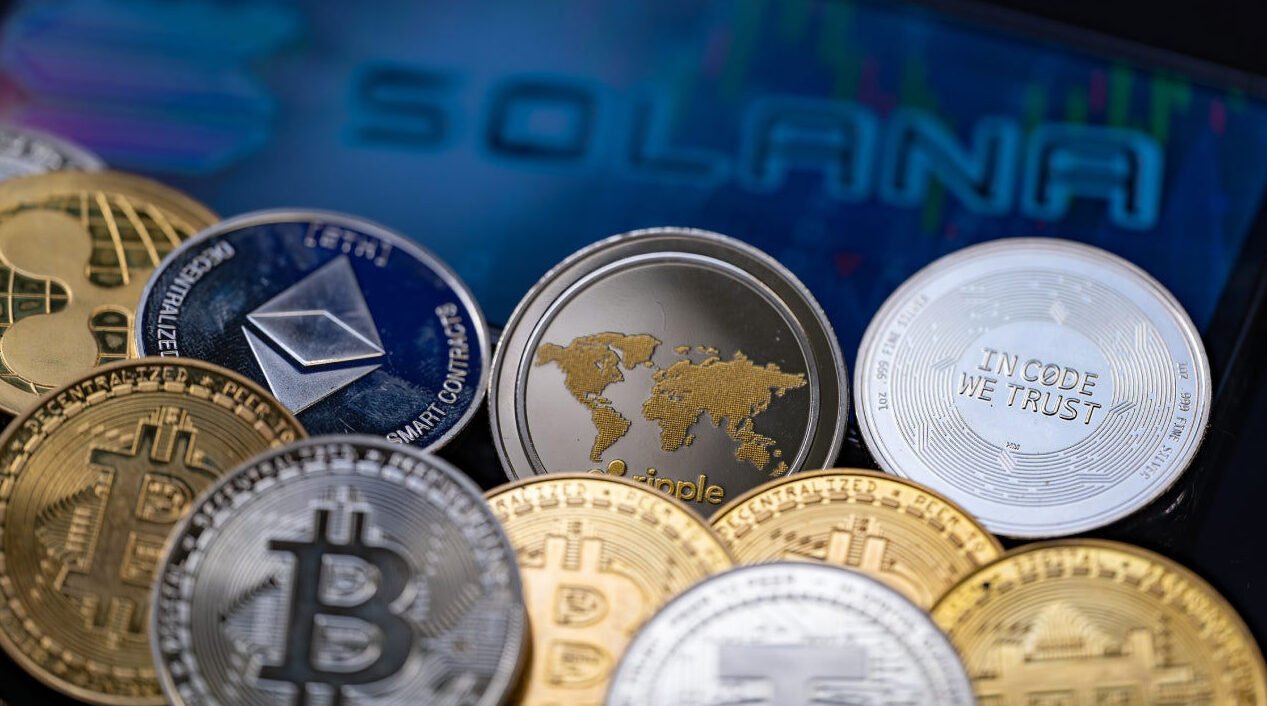
The cryptocurrency landscape has evolved dramatically, and finding the best crypto staking platforms 2025 has become crucial for investors seeking passive income. With the transition of major networks like Ethereum to proof-of-stake mechanisms and the emergence of innovative staking protocols, choosing the right platform can significantly impact your returns.
Staking has transformed from a niche activity to a mainstream investment strategy, with over $50 billion currently locked in various staking protocols worldwide. Whether you’re a seasoned crypto investor or just starting your journey into decentralized finance, understanding which platforms offer the highest yields, strongest security measures, and most user-friendly interfaces is essential for maximizing your cryptocurrency portfolio’s potential in 2025.
This comprehensive guide examines the top staking platforms, analyzing their features, reward rates, security protocols, and overall user experience to help you make informed decisions about where to stake your digital assets.
Understanding Cryptocurrency Staking in 2025
Cryptocurrency staking represents a fundamental shift in how blockchain networks achieve consensus and distribute rewards. Unlike traditional mining that requires expensive hardware and enormous energy consumption, staking allows you to earn rewards by simply holding and “staking” your cryptocurrencies in network validators.
The staking process involves locking your tokens in a smart contract or delegating them to validators who secure the network by processing transactions and maintaining blockchain integrity. In return, you receive regular rewards, typically ranging from 3% to 20% annually, depending on the network and platform you choose.
How Staking Rewards Are Calculated
Staking rewards depend on several factors including the total amount staked across the network, the inflation rate of the specific cryptocurrency, network participation rates, and validator performance. Platforms calculate rewards using various methodologies, with some offering compound interest while others provide simple annual percentage yields (APY).
The beauty of staking lies in its accessibility – you don’t need technical expertise or expensive equipment. Most platforms handle the complex technical aspects while you earn passive income from your cryptocurrency holdings.
Top 10 Best Crypto Staking Platforms 2025

1. Coinbase Staking
Coinbase stands out as one of the most user-friendly platforms for cryptocurrency staking, making it ideal for beginners and institutional investors alike. The platform supports staking for major cryptocurrencies including Ethereum, Cardano, Solana, and Polygon.
Key Features:
- Automatic staking for supported assets
- Competitive reward rates (3-7% APY)
- FDIC insurance for USD deposits
- Institutional-grade security measures
- Mobile app integration
Coinbase automatically stakes eligible cryptocurrencies in your account, eliminating the need for manual setup. The platform’s intuitive interface and educational resources make it an excellent starting point for newcomers to cryptocurrency staking.
2. Binance Staking
Binance offers one of the most comprehensive staking ecosystems, supporting over 50+ cryptocurrencies with various staking options including flexible savings, locked staking, and DeFi staking products.
Staking Options:
- Flexible savings with daily interest
- Locked staking for higher returns
- DeFi staking with yields up to 100%+ APY
- Launchpool for new token rewards
The platform’s competitive advantage lies in its diverse product offerings and consistently high reward rates. Binance regularly introduces new staking opportunities and maintains some of the industry’s lowest fees.
3. Kraken Staking
Kraken has built a reputation as one of the most secure and reliable cryptocurrency exchanges, extending this trustworthiness to its staking services. The platform supports staking for 12+ major cryptocurrencies with transparent reward distribution.
Notable Features:
- Weekly reward distributions
- No minimum staking requirements
- 24/7 customer support
- Advanced security protocols
- Detailed staking analytics
Kraken’s transparent approach to reward calculation and distribution has earned the trust of institutional investors and retail users alike. The platform provides detailed analytics helping users track their staking performance over time.
4. Ethereum 2.0 Native Staking
For users seeking maximum returns and network participation, native Ethereum staking through platforms like Lido, Rocket Pool, or direct validator operation offers compelling opportunities.
Benefits of Native Staking:
- Higher potential rewards (4-6% APY)
- Direct network participation
- Liquid staking token options
- Decentralized validator selection
Native staking platforms like Lido have revolutionized Ethereum staking by offering liquid staking tokens (stETH) that represent staked ETH while maintaining liquidity for other DeFi activities.
5. Celsius Network (Post-Restructuring)
Following its restructuring, Celsius has emerged with renewed focus on security and transparency in cryptocurrency staking and lending services.
Updated Features:
- Enhanced security measures
- Transparent yield generation
- Regulatory compliance improvements
- User protection protocols
While Celsius rebuilds its reputation, the platform offers competitive rates for major cryptocurrencies with improved risk management practices.
Comparing Staking Yields and Fees Across Platforms
Understanding the fee structures and actual yields across different platforms is crucial for maximizing your staking returns. Most platforms charge between 10-25% commission on staking rewards, while some offer fee-free promotions for new users.
Platform Fee Comparison
Low Fee Platforms (0-15%):
- Kraken: 15% commission
- Native staking protocols: 5-10%
- Some DeFi platforms: 0-5%
Medium Fee Platforms (15-20%):
- Coinbase: 25% commission
- Binance: 10-20% depending on asset
- Other major exchanges: 15-20%
Calculating Real Returns
When evaluating staking platforms, consider the effective annual percentage yield after fees, platform reliability, and additional benefits like insurance coverage or loyalty programs. A platform offering 8% APY with 25% fees provides a net return of 6%, which might be less attractive than a platform offering 6.5% APY with 10% fees (5.85% net return).
Security Features and Platform Reliability
Security remains paramount when choosing cryptocurrency staking platforms. The best platforms implement multiple security layers including cold storage, multi-signature wallets, insurance coverage, and regular security audits.
Essential Security Features
Cold Storage Protection: Leading platforms store the majority of user funds in offline cold storage systems, protecting against online threats and hacking attempts.
Insurance Coverage: Some platforms offer insurance coverage for digital assets, providing additional peace of mind for large-scale investors.
Regulatory Compliance: Platforms operating under regulatory oversight typically implement stronger security measures and user protections.
Multi-Signature Security: Advanced platforms use multi-signature wallet technology requiring multiple authorization keys for fund movements.
Best Crypto Staking Platforms 2025 for Different User Types
For Beginners
New cryptocurrency investors should prioritize user-friendly interfaces, educational resources, and platforms with strong customer support. Coinbase and Kraken excel in this category with their intuitive designs and comprehensive help centers.
Recommended Features for Beginners:
- Automatic staking options
- Clear reward visualization
- Educational content
- 24/7 customer support
- Mobile app availability
For Advanced Users
Experienced cryptocurrency investors often prefer platforms offering diverse staking options, advanced analytics, and integration with other DeFi protocols.
Advanced User Preferences:
- Multiple staking strategies
- Detailed performance analytics
- API access for automated management
- Integration with DeFi protocols
- Advanced order types and tools
For Institutional Investors
Large-scale investors require platforms with institutional-grade security, regulatory compliance, dedicated account management, and high liquidity.
Institutional Requirements:
- Regulatory compliance
- Insurance coverage
- Dedicated account managers
- High liquidity pools
- Advanced reporting tools
Mobile Apps and User Experience
The quality of mobile applications has become a crucial differentiator among staking platforms. The best platforms offer full-featured mobile apps allowing users to monitor rewards, adjust staking positions, and access customer support on the go.
Top Mobile Staking Apps
Leading platforms like Coinbase, Binance, and Kraken have invested heavily in mobile app development, offering features comparable to their desktop counterparts. These apps typically include push notifications for reward distributions, portfolio tracking, and easy staking management tools.
Mobile accessibility enables users to stay connected with their staking activities, monitor market conditions, and make quick adjustments to their strategies regardless of location.
Regulatory Considerations and Tax Implications
Cryptocurrency staking regulations vary significantly across jurisdictions, and tax treatment of staking rewards remains a complex area requiring careful consideration. Most tax authorities treat staking rewards as taxable income at fair market value when received.
Key Regulatory Factors
Platform Licensing: Choose platforms operating under proper regulatory licenses in your jurisdiction to ensure compliance and user protection.
Tax Reporting: Select platforms providing detailed transaction histories and tax reporting tools to simplify annual tax filing requirements.
Regulatory Updates: Stay informed about evolving regulations that might impact staking activities and platform operations.
Future Trends in Cryptocurrency Staking

The cryptocurrency staking landscape continues evolving rapidly, with several trends shaping the future of passive income generation through digital assets.
Emerging Trends
Liquid Staking Growth: Protocols allowing users to stake assets while maintaining liquidity through derivative tokens are gaining significant traction.
Cross-Chain Staking: Platforms enabling staking across multiple blockchain networks from single interfaces are becoming increasingly popular.
Institutional Adoption: Growing institutional interest in cryptocurrency staking is driving platform improvements and regulatory clarity.
Environmental Focus: Proof-of-stake networks’ energy efficiency compared to proof-of-work mining is attracting environmentally conscious investors.
Risk Management in Crypto Staking
While staking offers attractive returns, understanding and managing associated risks is crucial for long-term success. Platform risk, smart contract risk, and market volatility represent the primary concerns for staking participants.
Risk Mitigation Strategies
Diversification: Spreading stakes across multiple platforms and cryptocurrencies reduces concentration risk and potential losses from platform failures or market downturns.
Research and Due Diligence: Thoroughly researching platforms, reading user reviews, and understanding terms of service before committing funds helps avoid problematic platforms.
Gradual Exposure: Starting with smaller amounts and gradually increasing stakes as you gain experience and confidence in platforms reduces potential losses
Conclusion
Selecting the best crypto staking platforms 2025 requires careful consideration of your investment goals, risk tolerance, and technical expertise. While beginners might prefer the simplicity and security of established exchanges like Coinbase or Kraken, advanced users could benefit from the diverse options available on Binance or native staking protocols.
The cryptocurrency staking landscape offers unprecedented opportunities for passive income generation, with platforms continually improving their services and expanding supported assets. Success in staking depends on thorough research, strategic diversification, and staying informed about platform developments and regulatory changes.
SEE MORE:The Complete Guide to the Best Crypto Staking Platforms 2025
